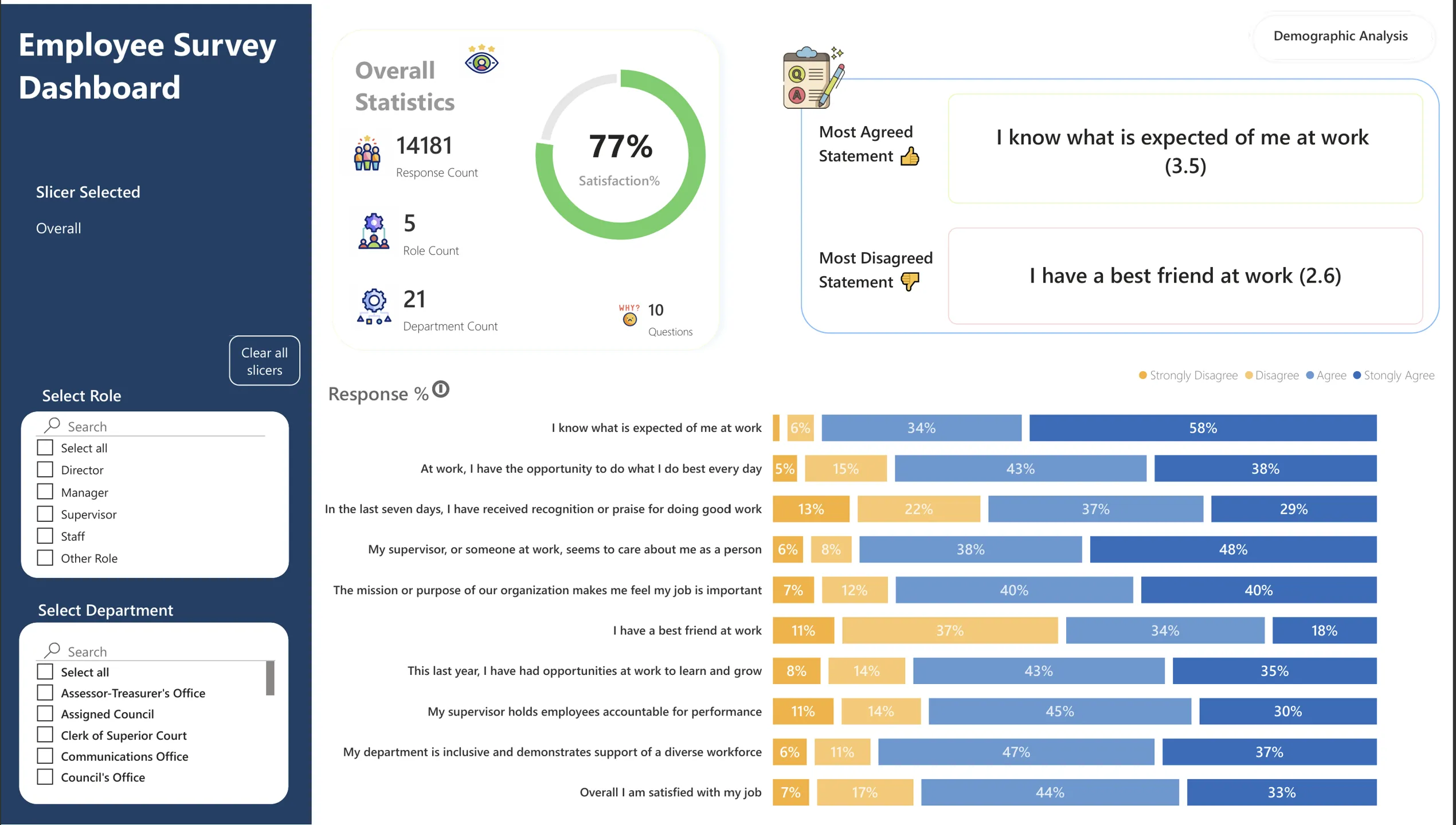
Employee Engagement Survey Dashboard
A Power BI dashboard built on Pierce County, Washington's employee engagement survey. 14,000+ responses cleaned, modelled and shaped into role- and department-level analysis with bookmark-driven navigation.
Pipelines, dashboards and the reasoning behind them. Each write-up covers the business problem, the architecture, and the scenarios I used to test whether the design would survive a real production week.
Showing all 14 case studies
A Power BI dashboard built on Pierce County, Washington's employee engagement survey. 14,000+ responses cleaned, modelled and shaped into role- and department-level analysis with bookmark-driven navigation.
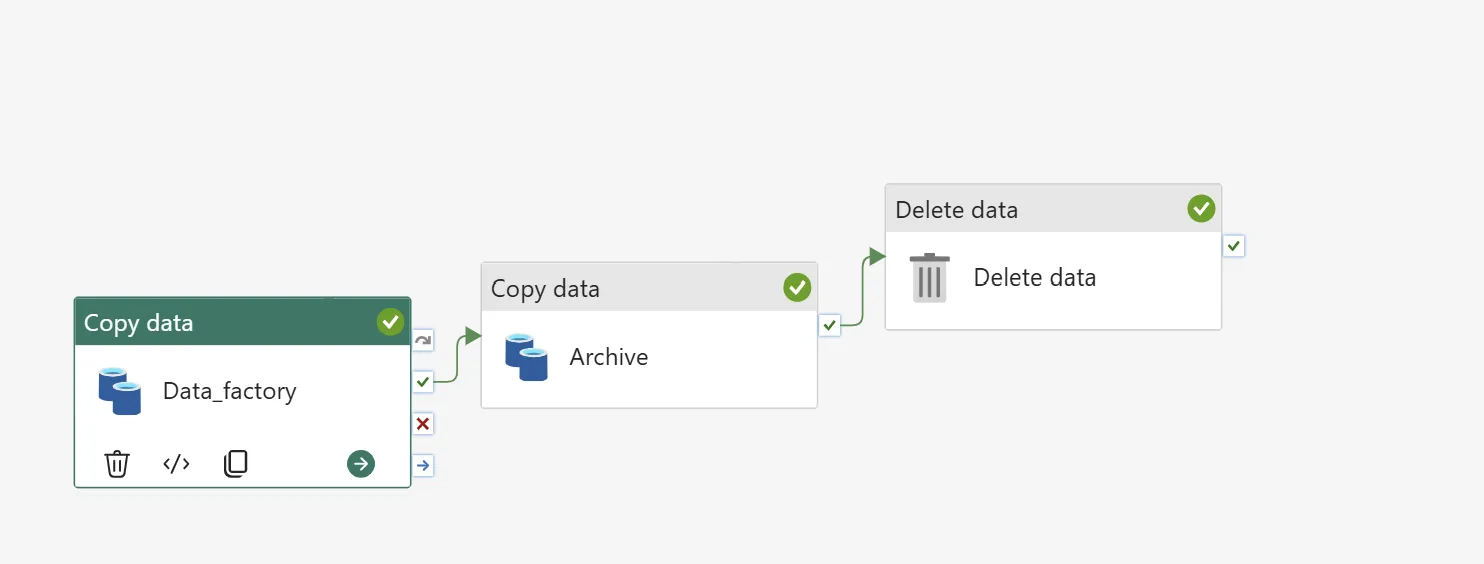
An end-to-end Microsoft Fabric solution for a global luxury real-estate company, automating property listing ingestion from London, Dubai and New York into a governed Silver layer with wildcard matching, upsert logic and automated archival.
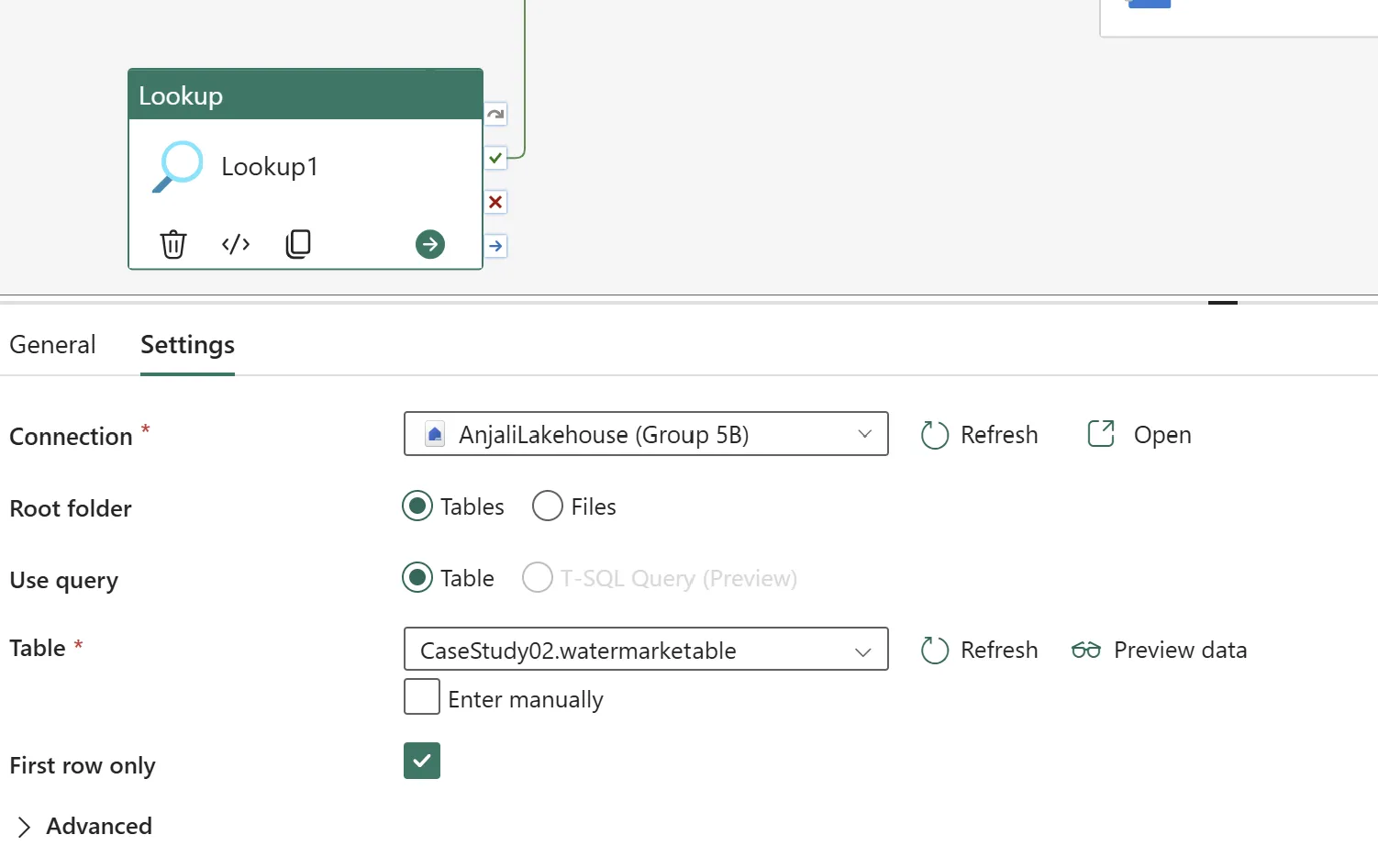
A Microsoft Fabric case study in watermark-based incremental ingestion of high-volume JSON shipment logs, replacing manual file selection with auditable state management and Delta Lake ACID writes.
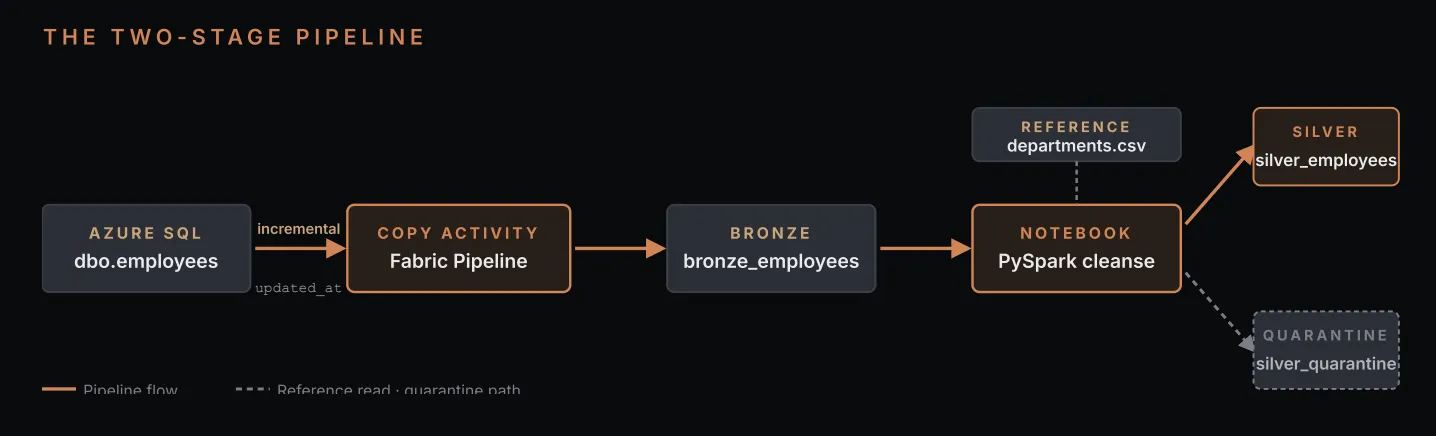
A Bronze-to-Silver Microsoft Fabric pipeline that migrates HR workforce data from Azure SQL into a governed analytics layer using PySpark, with quarantine logic, deduplication, enrichment, and window-function analytics for HR reporting.
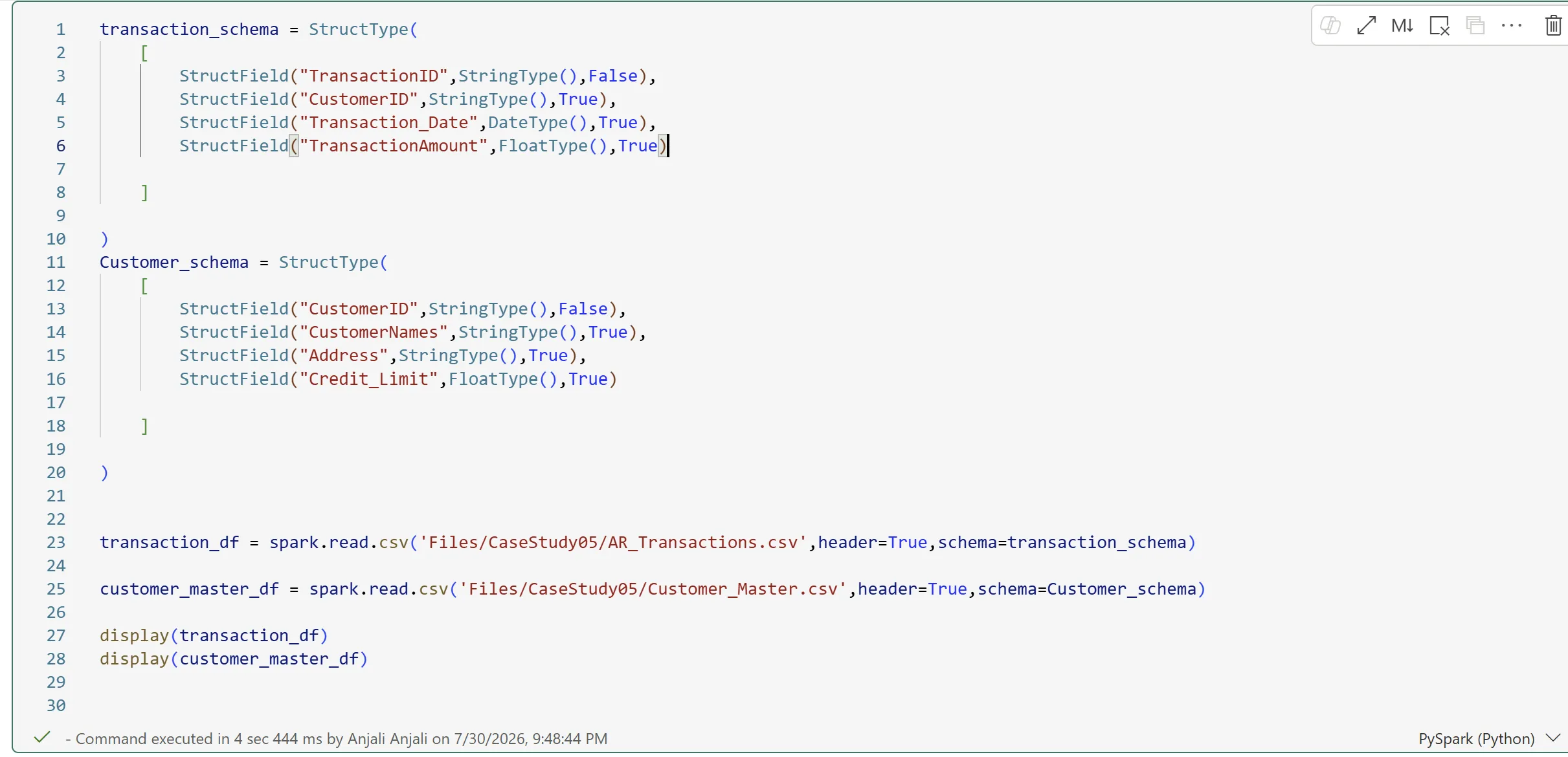
A PySpark and Delta Lake pipeline processing 45 million accounts-receivable records, with broadcast join optimisation, schema enforcement, Time Travel recovery and Z-ORDER compaction each verified against Spark's physical plan.
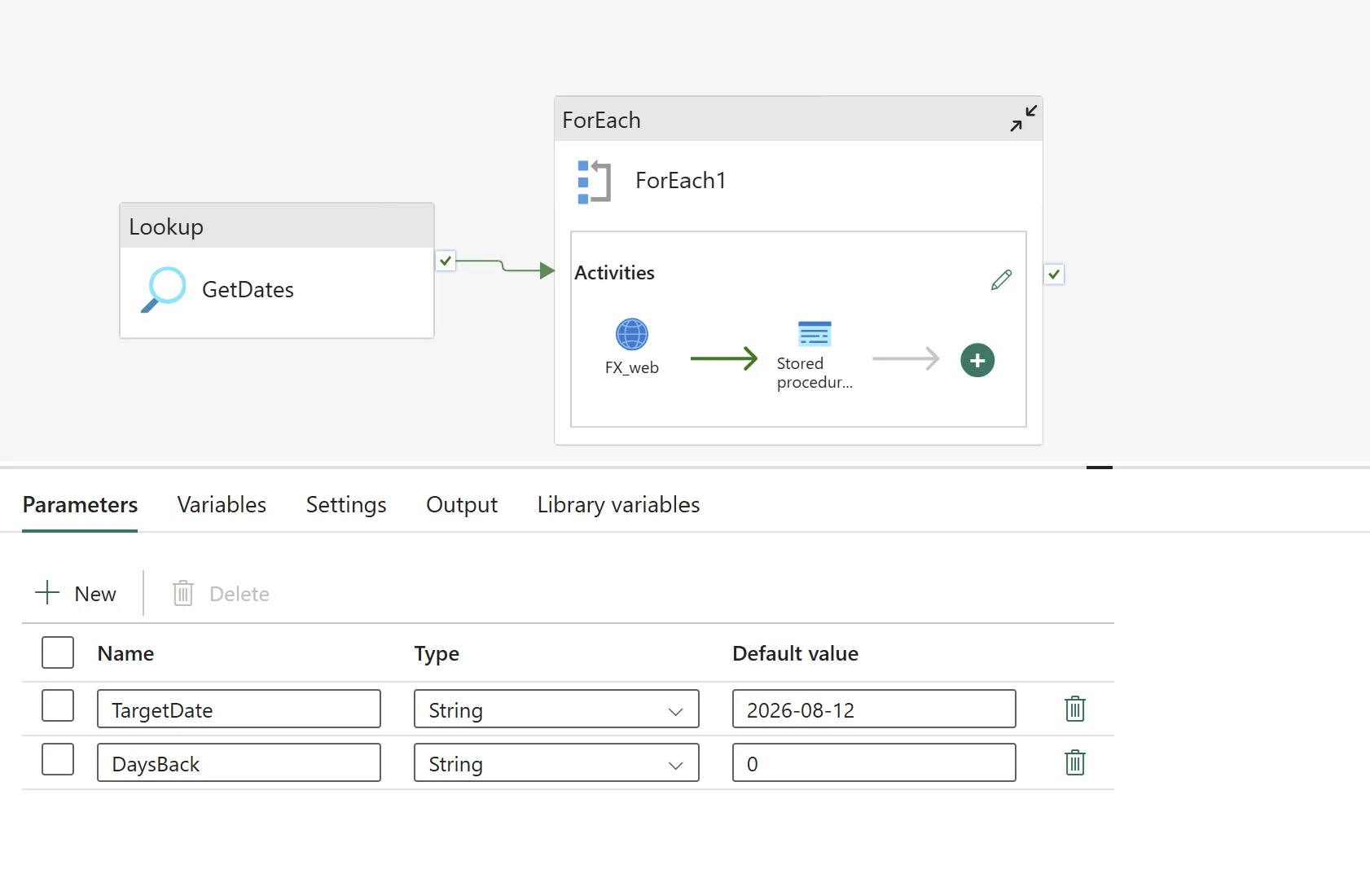
Built a warehouse-native pipeline that pulls daily FX rates from a public API and shreds the nested JSON into a table using T-SQL's OPENJSON, with an idempotent stored procedure so re-running the same date never creates duplicate rows.
RetailCore Ltd is a multi-warehouse retail organisation managing inventory across 12 regional warehouses, with approximately 80,000 active SKUs and up to 22,000 inventory transactions per day. This project replaced its manual CSV export process with a governed, on-demand ingestion pipeline built in Microsoft Fabric.
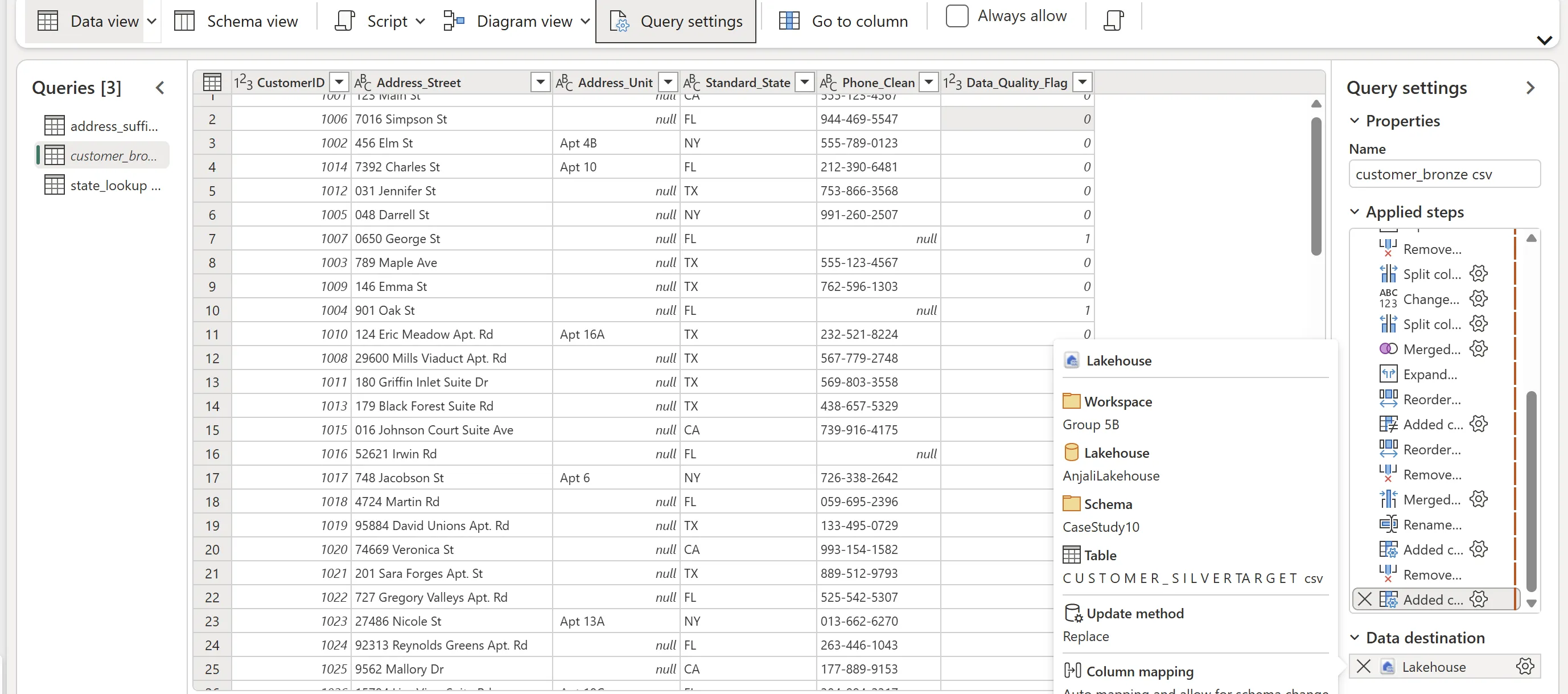
Built a low-code data cleansing and standardisation pipeline in Microsoft Fabric to rebuild the trustworthiness of a telecom operator's customer data. Raw customer records were transformed against governed reference data using Dataflow Gen2 and loaded into a validated, analytics-ready Silver table in the Lakehouse.
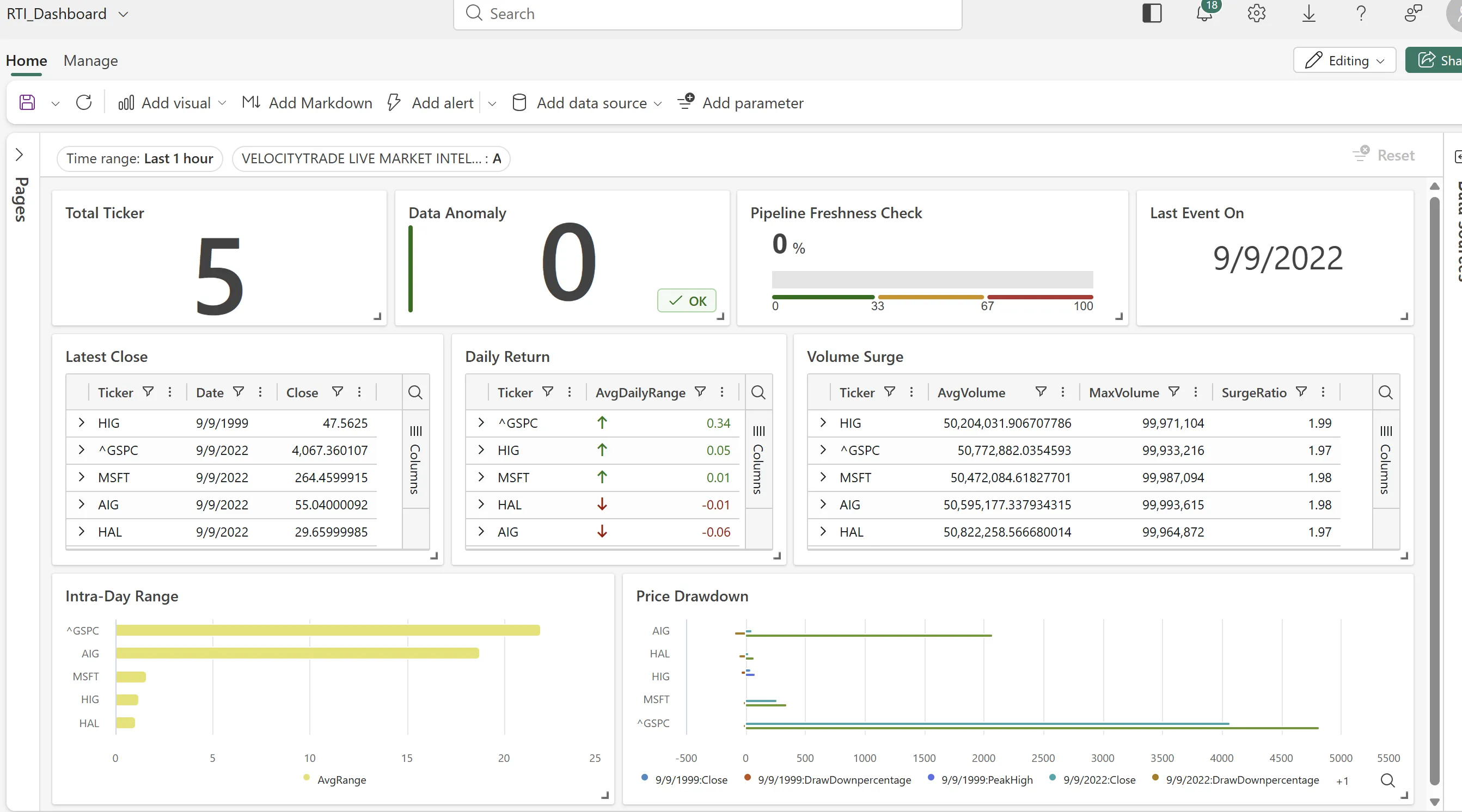
Replaced a batch-refreshed price feed introducing 15–45 minute latency into an algorithmic trading firm's signal generation with a governed Eventstream pipeline, a KQL Database, a live dashboard, and automated drawdown alerting.
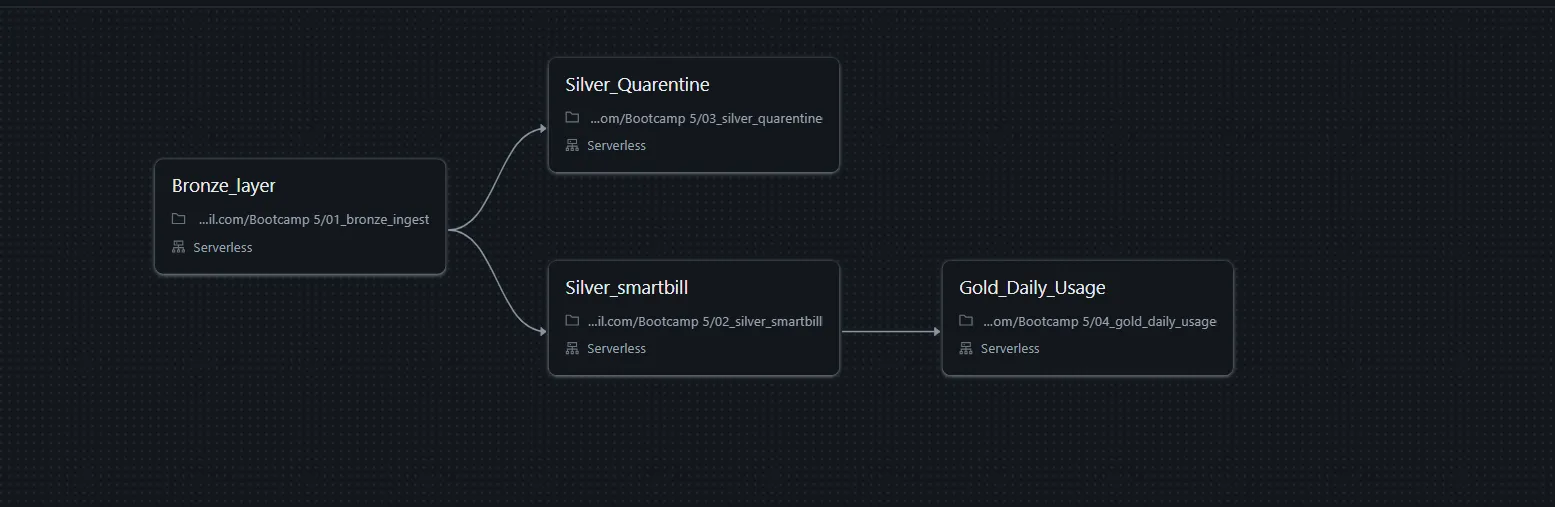
Built a three-layer Lakehouse pipeline on Databricks for a 100-home Time-of-Use pricing pilot, quarantining bad meter readings, hashing customer identifiers with SHA-256 before any join is written, and aggregating peak and off-peak usage into a billing dashboard.
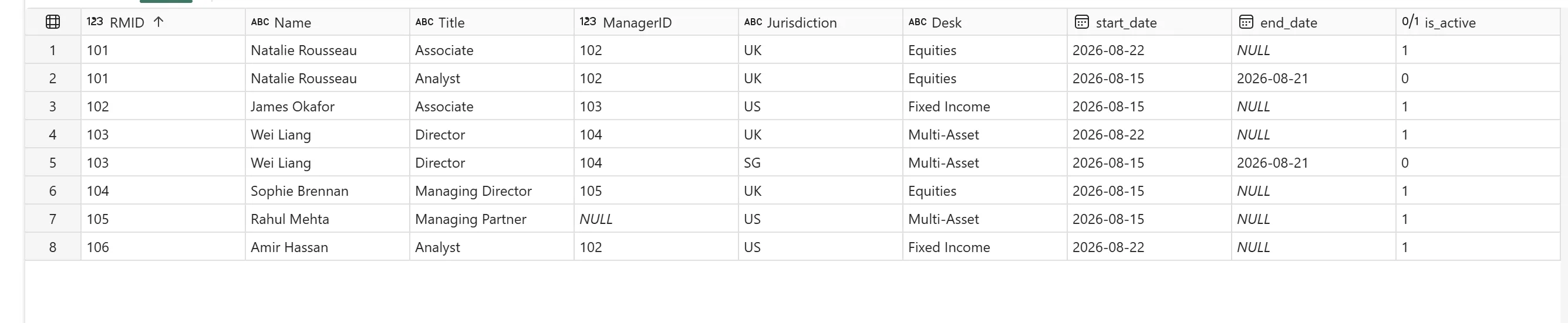
Built a governed T-SQL layer on Microsoft Fabric for a regulatory reporting pilot, a defensive gold view that survives dirty source data, a DENSE_RANK leaderboard partitioned by title, a five-level accountability chain resolved with self-joins, and an SCD Type 2 MERGE that preserves every personnel change instead of erasing it.
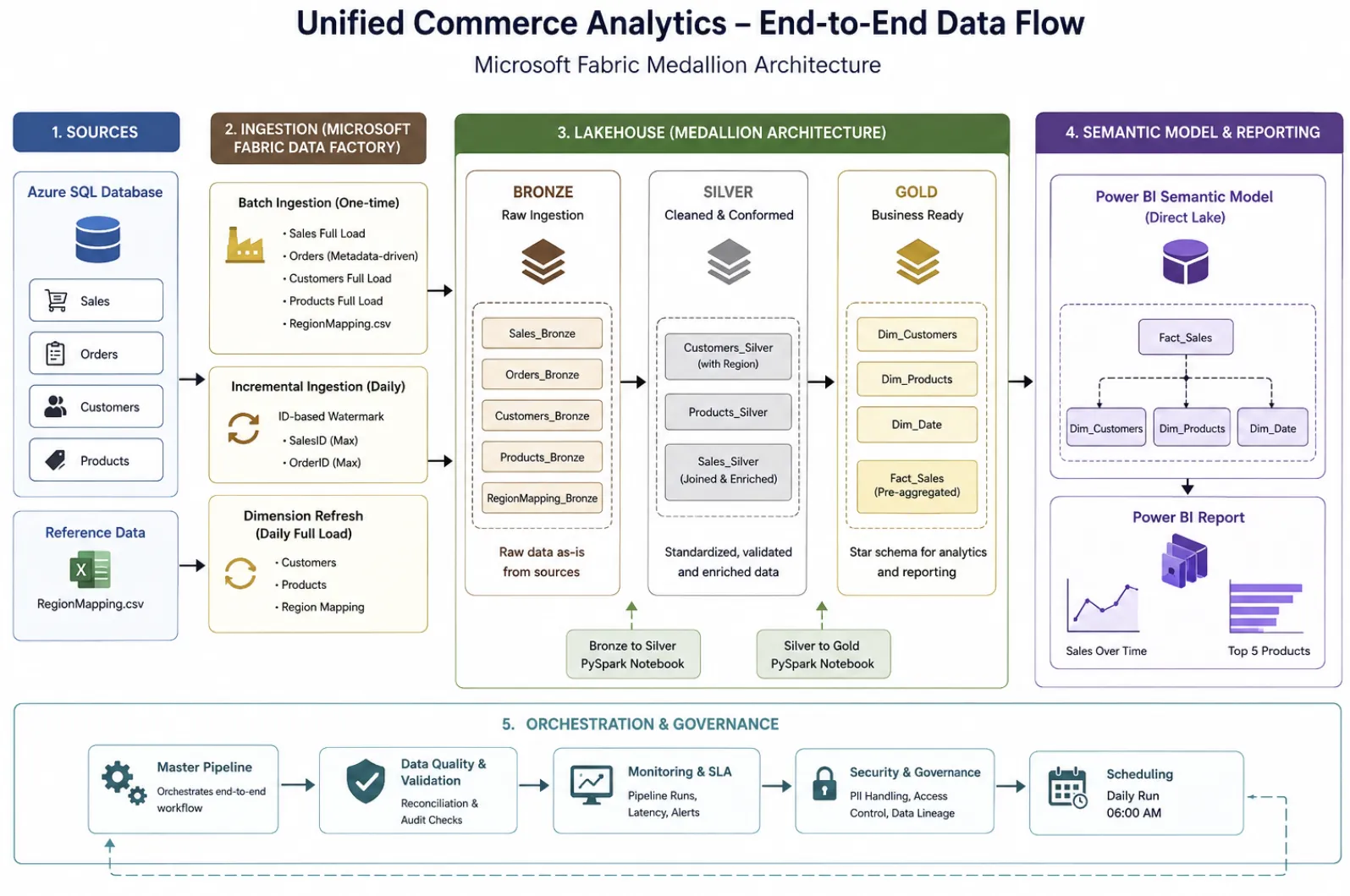
Built a Bronze-Silver-Gold Lakehouse for a multi-channel retailer, metadata-driven batch pipelines, ID-based incremental watermarks, PySpark transformations into a Gold star schema, and a Direct Lake Power BI semantic model, replacing a normalised database that needed five joins for a basic revenue number.
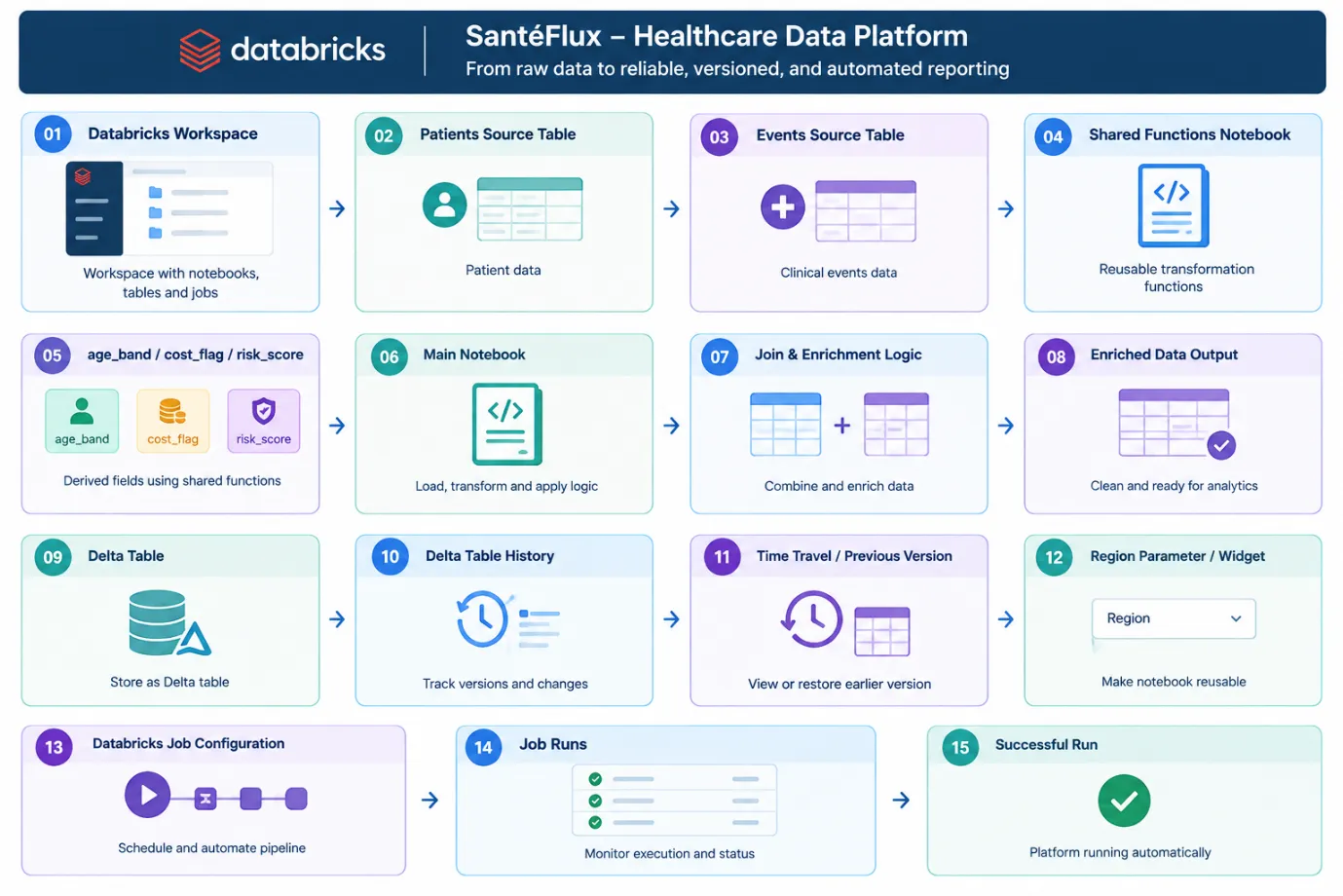
Built a reusable Databricks platform for a Paris health service, derivation logic centralised into shared PySpark functions, patient and event data joined without a region collision, the result written as a versioned Delta table with time travel and restore, and the whole rebuild handed to a parameterised, scheduled job.
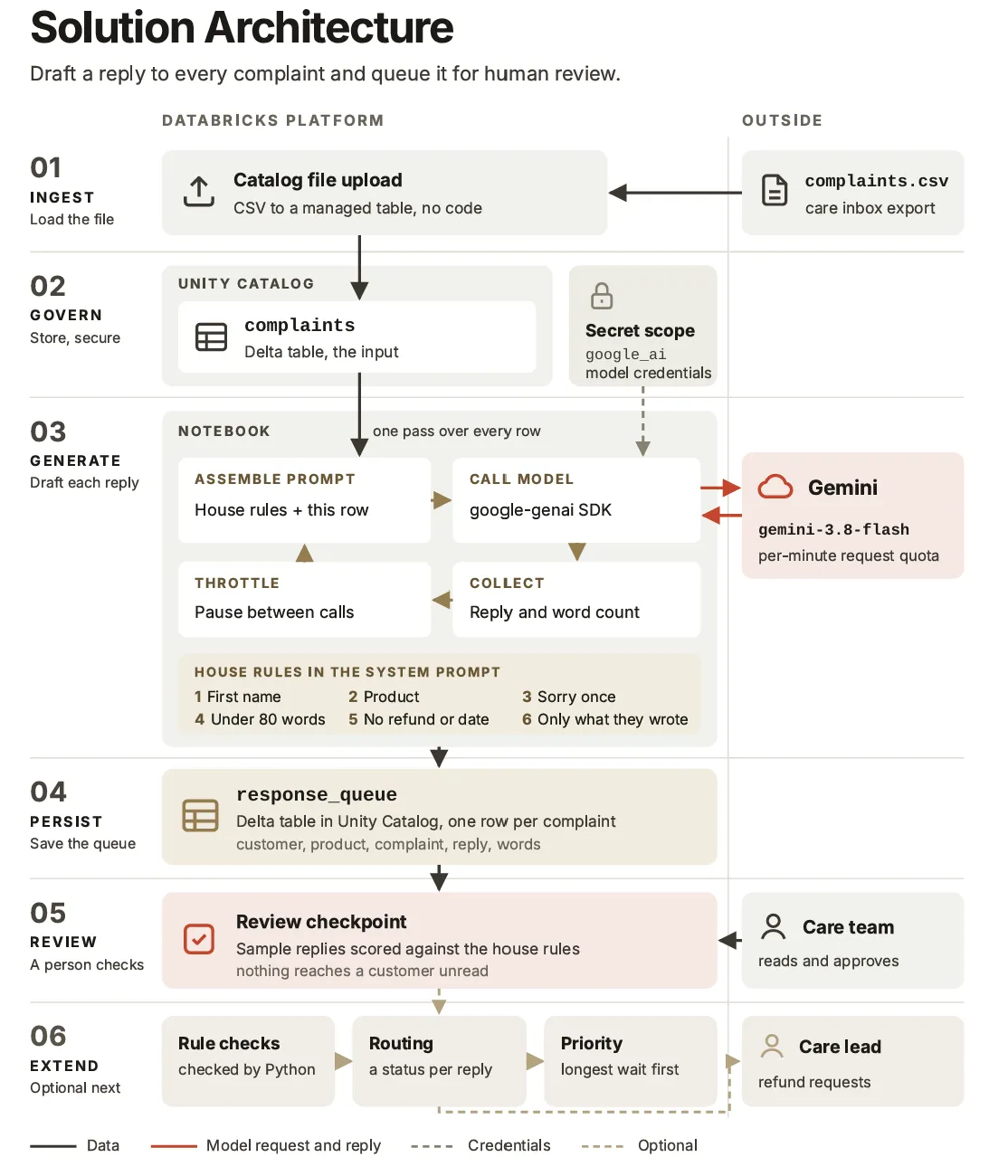
Built a reply generator for a furniture retailer's care team, 46 complaints read from a governed Delta table, a Gemini draft written for each through a Databricks serving endpoint, and every draft checked by rule and routed for human review. 45 of 46 drafts passed every rule on the first run.